FAQ: Solving Abrasive Slurry Measurement Challenges
Q1: Why do standard flow meters fail so quickly in gold or copper mining slurries?
A: Standard meters often fail due to the constant sandblasting effect of solid particles. Without specific abrasion-resistant materials, liners wear out in 3–6 months, leading to high hardware costs and massive production downtime losses.
Q2: How does the RBHEF-LS series extend service life to 3 years?
A: We achieve this through "Hardcore Engineering":
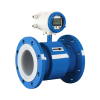
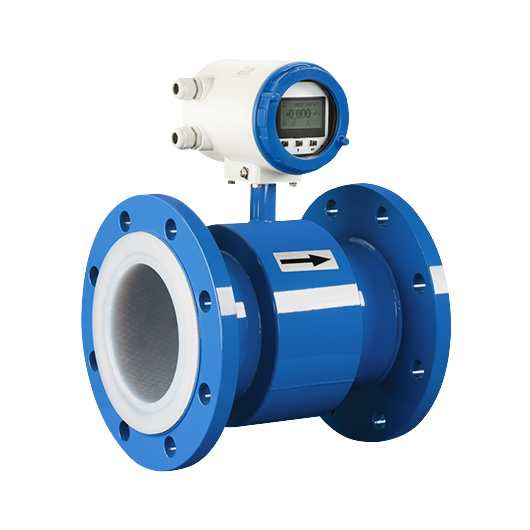
Tough Polyurethane Liners: Designed specifically for high-resilience against abrasive solids.
Carbide-Coated Electrodes: Hastelloy electrodes with a carbide coating minimize wear.
Inlet Protection Rings: Prevents liner peeling at the entrance due to diameter mismatches.
Q3: Can a mismatched pipe diameter affect the meter’s lifespan?
A: Yes. Even a tiny difference between the meter's bore and the connection pipe creates turbulence that accelerates localized wear. We ensure the RBEF internal diameter matches your piping perfectly to eliminate this risk.
Q4: What are the financial benefits of upgrading to an abrasion-resistant meter?
A: Beyond the cost of the device (approx. $20,000/year), proper material selection can prevent over $150,000 in annual production losses per line caused by frequent maintenance shutdowns.
Q5: Is the RBHEF-LS suitable for cyclone feed lines?
A: Absolutely. The RBHEF-LS is optimized for hydrocyclone applications where heavy and light particles are separated, ensuring stable measurement even with high-density slurry noise.
Material Selection:
- Robust polyurethane liner is adopted to handle highly abrasive slurries.
- Durable Electrodes: Equipped with Hastelloy electrodes with carbide coating.
- Accuracy: Maintains high repeatability even in harsh environments.
- Economic Benefits: Helped a gold and copper plant save approximately USD 150,000 annually in production loss for a single production line.