Open Channel MagMeters
DN100-6000
Width: max.6m
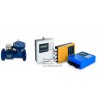
RBXEF-OP Open Channel Electromagnetic Flow Meter



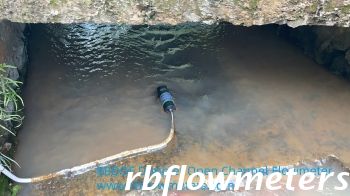
Expert guide to RBDOF Doppler technology. Learn how to measure velocity and level in challenging environments like sewage networks, irrigation channels, and rivers without flumes or weirs.Q1: What are the media requirements for a Doppler flowmeter?
A: The RBDOF requires particles or bubbles to reflect the signal. It is optimized for water with sediment or bubble concentrations between 20mg/L and 20g/L. It is not suitable for ultra-pure water.
Q2: Can the sensor detect if it is being buried by silt?
A: Yes. The RBDOF features a signal strength indication function. It can distinguish between field siltation, dry water, and normal loading conditions, allowing for proactive maintenance.
Q3: What is the difference between the Fixed and Portable models?
A: * Fixed (RBDOF-F): Designed for long-term installation with 10V-30V DC power and RS485 communication for IoT integration.
Q4: What pipe or channel shapes are supported?
A: The system includes instantaneous flow calculation functions for circular pipes, rectangular channels, trapezoidal channels, and U-shaped channels.
Q5: What are the protection ratings for the equipment?
A: The underwater sensors are rated IP68, while the handheld terminal for the portable unit is rated IP65. The equipment operates reliably in temperatures from -5°C to 60°C.
Open Channel MagMeters
DN100-6000
Width: max.6m
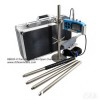
Portable Doppler
Open Channel
Partially Filled
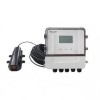
Open Channel
Doppler Flowmeter
0.02-10m
Partially Filled Pipes
DN100 - DN1400
Accuracy up to 2.5%