Ultra_Low Flow
DN6-DN100
Clamp-on
RBFM-AK Ultra-Low Flow Clamp-on Ultrasonic Meter



RB Flowmeters provides a "one-stop shop" for the Petro-chemical industry. By linking the sonic velocity feature to concentration monitoring, you appeal to process engineers looking to optimize both flow and chemical composition simultaneously.A comprehensive guide to flow metering in harsh chemical environments. Learn how RB Flowmeters solves challenges in sulfuric acid recycling, hydrofluoric acid monitoring, and ammonia concentration using non-intrusive ultrasonic and ceramic electromagnetic technologies.
Q1: What are the best flow meters for measuring highly corrosive acids like Sulfuric or Hydrofluoric acid?
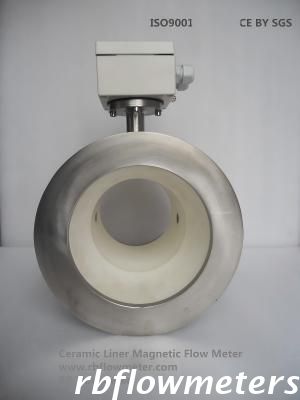
A: We offer two primary solutions. For existing systems where process shutdown is impossible, the RBFM/RBHFM clamp-on ultrasonic flow meter is ideal as it measures from outside the pipe with zero media contact. For maximum accuracy (up to 0.2%), our RBEF Electromagnetic Flowmeters with PTFE/Teflon liners or all-ceramic construction provide superior resistance to aggressive chemical attack.
Q2: How can I monitor acid or alkali concentration without using radioactive analyzers?
A: RB ultrasonic flow meters, such as the RBFM series, measure both volumetric flow and sonic velocity. Since sonic velocity is directly related to the concentration of fluids like Sodium Hydroxide (NaOH) or Ammonia (NH3), a PLC can be programmed to provide real-time concentration data, replacing unstable and hazardous radiometric analyzers.
Q3: Can your flow meters handle liquids with solid particles or bubbles?
A: Yes. The RBHEF Electromagnetic flow meter is engineered with advanced digital signal processing, allowing it to measure liquid flows containing up to 30% particulates or bubbles. This is particularly useful in acid recycling plants where solid caking or aeration often occurs.
Q4: What are the advantages of using clamp-on ultrasonic meters in chemical plants?
A: The primary advantages are safety and cost-effectiveness. Installation is non-intrusive, meaning there is no need to cut pipes, no risk of leakages, and no process downtime. Because the transducers are mounted externally, they suffer zero mechanical wear-and-tear from aggressive media or abrasive particles.
Q5: When should I choose a mass flow meter over a volumetric flow meter in chemical processing?
A: Mass flow meters are essential for mixing, batching, and mass balancing where recipes are defined by weight rather than volume. This ensures consistency regardless of temperature or pressure fluctuations that might change the fluid's density.
Ultra_Low Flow
DN6-DN100
Clamp-on
RBEF-E Mini Magmeter
2L/h Micro Flow|DN3-DN50
PEEK Liner for Chemical Dosing
Ceramic Liner +Electrode
DN15 to DN300
Abrasive Slurries
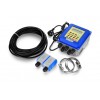
Pipe size: DN15 to DN6000
Accuracy: ± 1% ~ ± 2%
Datalogger
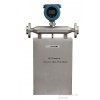
U-shape mass flowmeter
DN1 to DN150
-60℃~+350℃