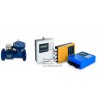
FAQ: Frequently Asked Questions (FAQ) - RBEF-P Series
Q1: Can the RBEF-P accurately measure flow when the pipe is only 20% full?
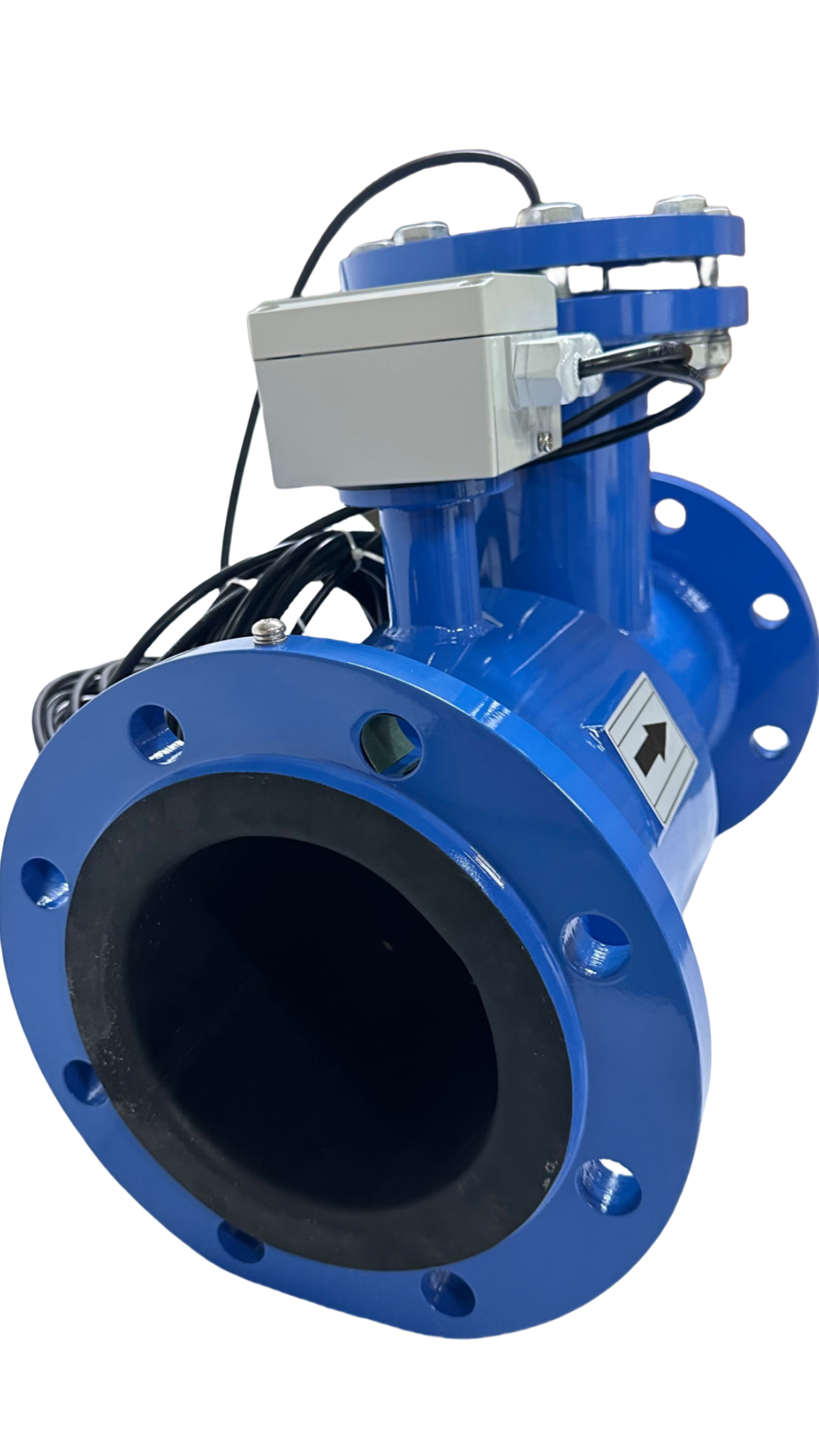
A: Yes. Unlike standard electromagnetic flow meters that require a 100% full pipe, the RBEF-P uses an advanced Area-Velocity method. It integrates a high-precision level sensor with electromagnetic velocity sensing to provide accurate measurements even at low liquid levels.
Q2: Does this meter require the installation of a Parshall Flume or Weir?
A: No. One of the core advantages of the RBEF-P is its flumeless design. It can be installed directly into existing pipes or channels without the need for expensive civil engineering works like building weirs or flumes.
Q3: Is the sensor resistant to maintenance in harsh wastewater environments?
A: Absolutely. The RBEF-P is engineered for maintenance-free reliability in industrial piping. Its smooth sensor surface and lack of moving parts minimize the risk of clogging or wear, even in media containing debris or sediment.
Q4: What pipe shapes are supported by the RBEF-P system?
A: The system features a built-in geometric fitting algorithm that supports various channel shapes, including circular pipes, rectangular culverts, and trapezoidal open channels. You simply input the dimensions into the transmitter.
Q5: Can the RBEF-P handle data transmission for automatic control systems?
A: Yes. The product is designed as a professional flow transmitter that seamlessly integrates with automatic control systems. It typically supports standard industrial protocols like Modbus RTU/RS485 for real-time data monitoring.
Q6: Is it suitable for corrosive industrial chemicals?
A: The RBEF-P series utilizes advanced materials suitable for diverse industrial media. For highly aggressive wastewater, we offer optional liner materials (such as PTFE) and specialized electrodes to ensure long-term durability.